

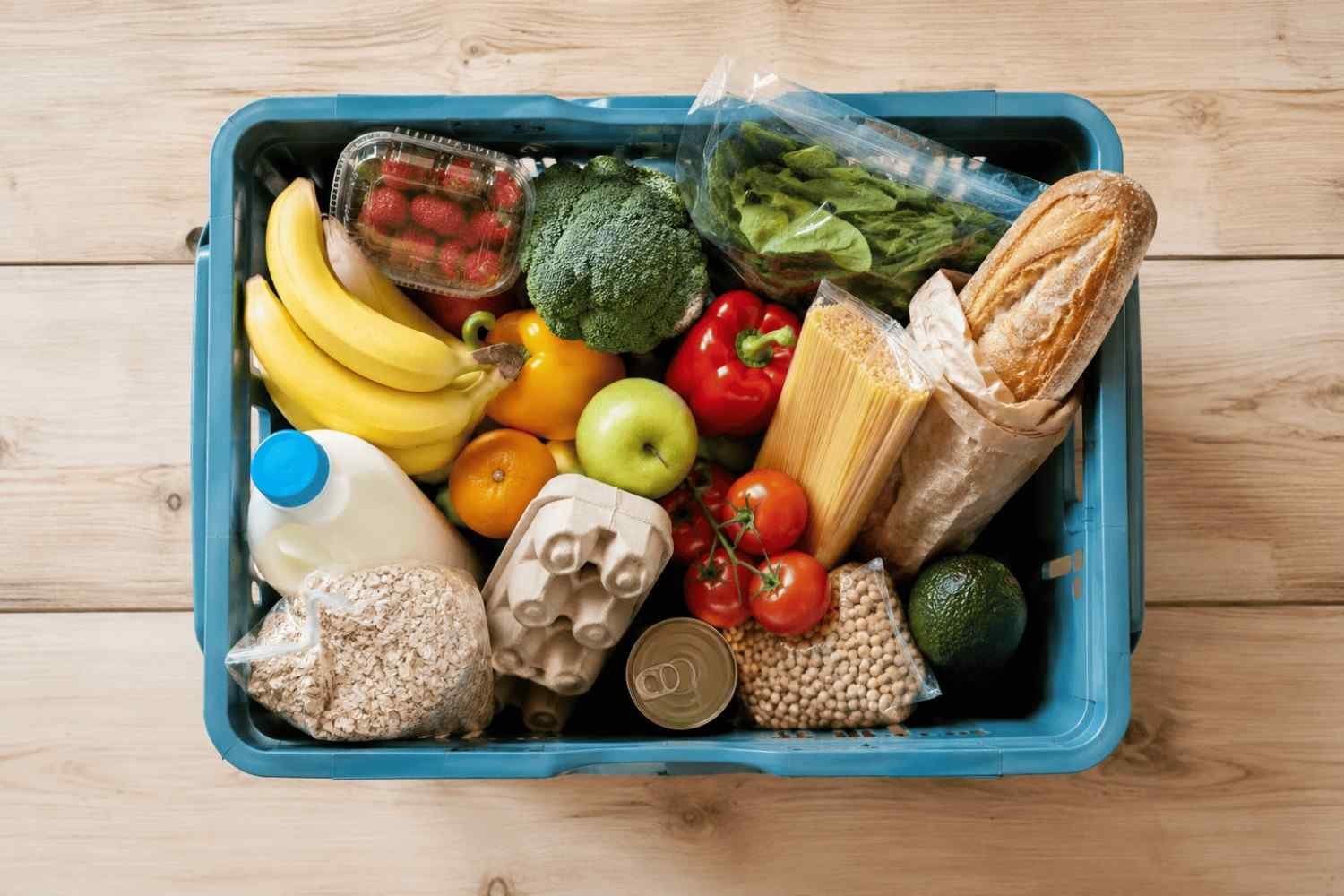
Grocery prices in Saudi Arabia don’t move the same way every week. One supermarket runs a deep discount on dairy while another quietly raises prices on produce — and most shoppers never notice because checking five different flyers isn’t realistic for a normal week. At Saudi Deal Finder, we track the weekly offers from Panda, Othaim, Danube, Carrefour, and Tamimi Markets every single week, and a few clear patterns show up again and again in how families actually save money here. Below are the ten that make the biggest difference.
1. Compare Prices Before You Shop, Not While You’re in the Aisle
The single biggest source of overspending is loyalty by habit — shopping at the same supermarket every week regardless of that week’s prices. Prices on staples like milk, chicken, and rice can shift noticeably from one chain to another in the same week. Spend two minutes before you leave the house comparing that week’s flyers rather than assuming your usual supermarket has the best price. You can check this week’s comparison across all major supermarkets here.
2. Shop for Perishables on Different Days Than Pantry Items
Fresh produce, meat, and dairy deals tend to be timed around delivery cycles and expiry dates, while pantry staples (rice, oil, canned goods) go on offer on a slower, more predictable cycle. Splitting your shopping — pantry items on a monthly or bi-weekly run, fresh items weekly — means you catch more short-window discounts instead of buying everything on one fixed day regardless of what’s actually discounted that week.

3. Pay Attention to Offer Expiry Dates, Not Just the Discount
A 30% discount that expires tomorrow is a very different deal than the same discount with five days left, especially for items you buy in bulk. Saudi supermarket flyers typically run for about a week, but start and end dates vary by chain. Before stocking up, check exactly when the offer ends — buying too early into a new flyer cycle or too late into an expiring one is one of the easiest ways to miss a better price by a day or two.
4. Buy Non-Perishables When They’re Discounted, Not When You Run Out
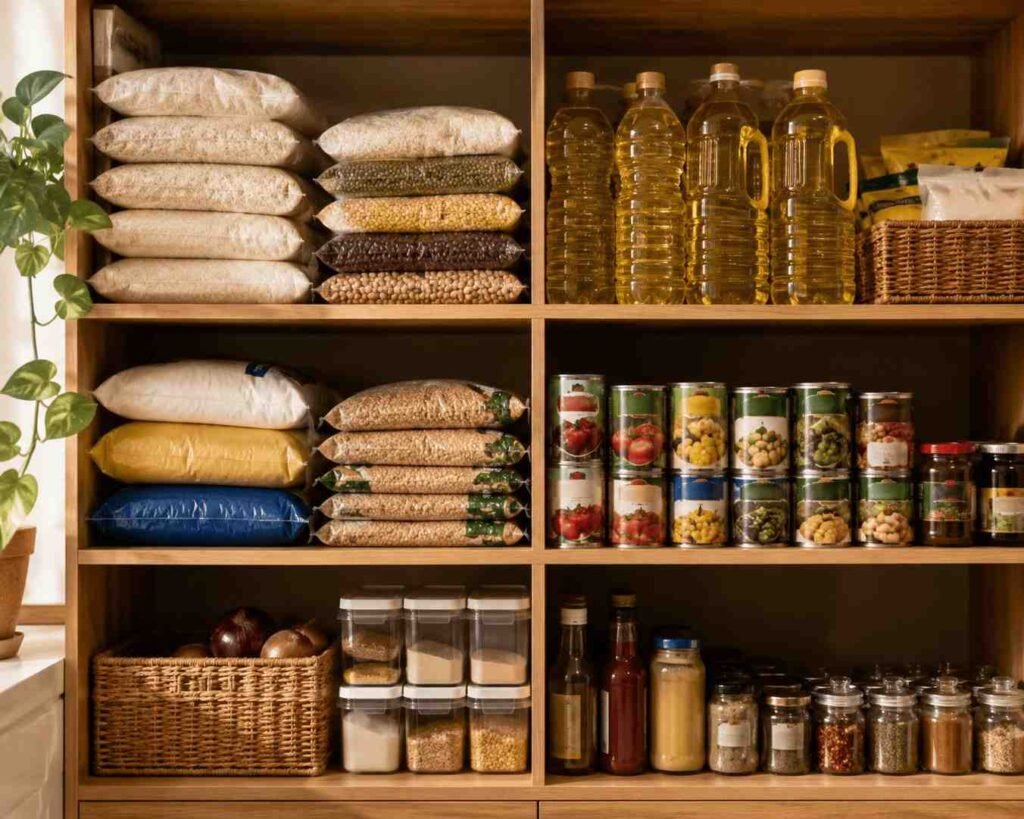
For items that don’t expire quickly — rice, oil, canned goods, cleaning supplies, diapers — buy extra when they’re on sale rather than waiting until you’re out and paying full price. This is one of the most consistent ways regular shoppers reduce their overall monthly bill, because it decouples your purchase timing from your usage timing.
5. Compare Unit Price, Not Just Package Price
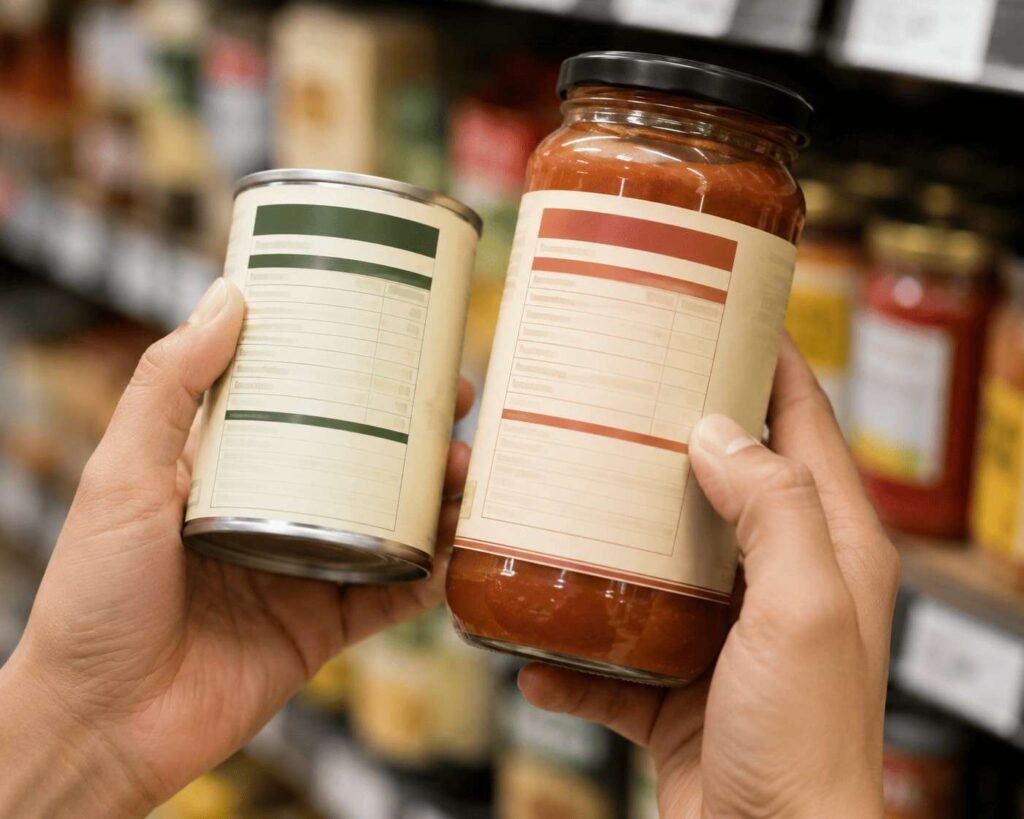
A larger pack isn’t automatically cheaper per kilogram or per liter. Promotions often apply to specific pack sizes, and it’s common for a smaller “on offer” pack to actually cost more per unit than a larger pack at full price. Get in the habit of a quick mental math check (price ÷ weight or volume) before assuming the discounted option is the better deal.

6. Use WhatsApp or Alert Groups Instead of Checking Manually
Weekly flyers usually drop on the same day each week per chain, but remembering to check five different sources on five different days isn’t realistic for most people. Joining a WhatsApp alert group that pushes new offers as they’re published means you see deals the day they go live, rather than days into the cycle when the best items may already be picked over. Join our WhatsApp community for daily deal alerts.
7. Don’t Assume One Supermarket Is Cheapest Across the Board
It’s tempting to pick a “favorite” supermarket and assume it’s the best value overall, but in practice, different chains tend to be more competitive in different categories. One might consistently have the better dairy prices while another is stronger on fresh produce or household items. Splitting purchases across two supermarkets in the same week — one trip, two comparisons — often beats a single-store loyalty approach.

8. Time Big Shopping Trips Around Known High-Discount Periods
Certain periods of the year bring noticeably deeper and more frequent grocery discounts in Saudi Arabia — Ramadan, back-to-school season, and national holidays among them. If a purchase can reasonably wait a few weeks, timing it around one of these periods rather than buying at a random point in the year can mean a meaningfully lower price on the same items.
9. Track What You Actually Buy Repeatedly
Most households have a core list of 15–20 items that make up the majority of their weekly spend — milk, bread, eggs, chicken, rice, and a handful of others. Knowing your own repeat list means you can check prices on exactly those items each week instead of scanning an entire flyer, which saves time and keeps your comparisons focused on where the savings actually add up.

10. Save Deals You’re Not Ready to Use Yet
If you spot a strong discount on something you don’t need this exact week but will need soon, save it rather than letting it pass. A saved list you can return to before it expires is more useful than trying to remember which flyer had the good price on a specific item three days ago. You can save deals to a personal list here.
The Bottom Line
None of these tips require extra time each week if the comparison work is already done for you — which is exactly why we built Saudi Deal Finder. We pull the current flyers from Panda, Othaim, Danube, Carrefour, and Tamimi Markets into one place and update them weekly, so the two minutes of comparison in Tip #1 takes seconds instead. Compare this week’s deals across all major supermarkets →
This guide is updated periodically to reflect current supermarket pricing patterns in Saudi Arabia. Deal availability and expiry dates vary by store and location — always confirm current pricing on the retailer’s official flyer or in-store before purchase.